Redbridge council removals permits and street parking rules: a practical guide for moving day
Moving house in Redbridge can be straightforward right up until the van arrives and there is nowhere sensible to stop. That is where Redbridge council removals permits and street parking rules start to matter. A good move is not just about boxes, bubble wrap, and muscle; it is also about access, timing, road space, and keeping everything legal and safe. If you are moving from a flat on a busy street, handling a full house move, or arranging a quick drop-off for bulky furniture, the parking side can make or break the day.
This guide walks you through the essentials in plain English: what permits are for, how street parking usually affects removals, what to check before moving day, and how to avoid the kinds of last-minute problems that leave people staring at a double yellow line at 8:00 in the morning. Truth be told, those small details are the ones that tend to cause the biggest headaches.
For related planning help, you may also find our guides on organising a house move and decluttering before moving useful when you are trying to keep the whole process calm and efficient.
Table of Contents
- Why Redbridge council removals permits and street parking rules matter
- How the permit and parking process works
- Key benefits and practical advantages
- Who this is for and when it makes sense
- Step-by-step guidance
- Expert tips for better results
- Common mistakes to avoid
- Tools, resources and recommendations
- Law, compliance, standards and best practice
- Options, methods, or comparison table
- Case study or real-world example
- Practical checklist
- Conclusion
- Frequently asked questions
Why Redbridge council removals permits and street parking rules matter
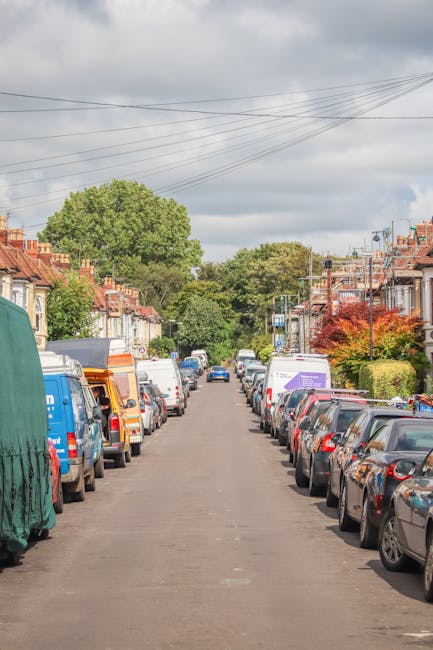
When people think about moving, they usually focus on the property itself: stairs, lift access, narrow hallways, the sofa that barely fitted the first time. Parking often gets left to the last minute. That is risky. In a borough like Redbridge, a removal vehicle may need to stop close to the entrance, load quickly, and avoid blocking traffic or breaching local restrictions. If the van cannot park sensibly, the whole move slows down.
Street parking rules matter for three big reasons. First, they affect whether the vehicle can stop near the property at all. Second, they influence how long the vehicle can stay there. Third, they help you avoid fines, complaints, and unnecessary stress. Nobody wants to discover, halfway through carrying a fridge, that the driver has to relocate the van because the bay is not usable for loading. It sounds minor. It rarely feels minor on the day.
There is also a practical benefit that gets overlooked: good parking planning protects your belongings. The less distance between the property and the vehicle, the fewer handovers, the lower the lifting risk, and the easier it is to manage awkward items like wardrobes, beds, and pianos. If you are moving larger items, our article on moving a bed and mattress efficiently is worth a look.
Expert summary: A smooth move in Redbridge usually comes down to three things: confirm the parking arrangement early, keep the loading route short, and leave enough time for local restrictions to be handled properly. The rest tends to follow from there.
How Redbridge council removals permits and street parking rules work
The exact setup will depend on the street, the time of day, and the type of parking restriction in place. In practical terms, a removal van may need access to a loading bay, permit bay, pay-and-display space, or a short-stay stopping arrangement. Some roads are more flexible than others, but many London streets are not designed with moving day in mind. That is just the reality of it.
What matters most is that you check the rules for the specific address, not just the postcode generally. Two streets only a few minutes apart can have very different restrictions. A quiet residential road may allow loading at certain times, while a busier route may be heavily controlled. If the move involves a flat, the parking arrangement can be even more important because the van may need to sit close to the entrance while items are ferried down stairs or through shared access areas.
Here is the usual pattern:
- Assess the street first. Look at signs, bay markings, yellow lines, and any resident-only restrictions.
- Check loading allowances. Some locations permit brief loading, but only under strict conditions.
- Confirm whether a permit is needed. If so, make sure the timing matches the move window.
- Plan for van size. A larger vehicle may need more space to park safely and legally.
- Allow for delays. Traffic, access issues, and neighbouring vehicles can all affect the plan.
In many cases, the simplest approach is to arrange the move around the parking reality, not the other way round. That might mean shifting the time slightly, choosing a smaller vehicle, or preparing items earlier so the loading phase is fast. If you need a flexible moving slot, our page on best-time delivery and moving arrangements may help you think through scheduling.
For people moving in and out of flats, a bit of access planning goes a long way. Our guide to Redbridge flats access and removals solutions covers the kinds of issues that usually crop up in shared buildings and narrow streets.
Key benefits and practical advantages
Getting the parking side right does more than keep you compliant. It improves the whole move in ways you notice immediately.
- Faster loading and unloading. The closer the van can get, the quicker the work moves.
- Less risk of damage. Shorter carrying distances reduce the chance of scuffs, drops, and awkward twists.
- Lower physical strain. This is especially important for heavy or bulky furniture.
- Fewer delays. If the vehicle is legally positioned from the start, the team can work without interruptions.
- Reduced stress. That calm feeling matters more than people expect, especially when the house is full of half-packed rooms.
There is also a commercial advantage if you are comparing removal options. A well-planned move is usually more efficient, and efficiency tends to show in both time and cost. If you are weighing up different service levels, the information on pricing and quotes can help you understand how planning and access affect the overall job.
And if you are moving a large item that needs special handling, parking discipline becomes even more valuable. A piano, for example, is not something you want to drag across a long pavement because the van ended up too far away. Our guide on why a DIY move is not ideal for your piano explains why that sort of shortcut usually backfires.
Who this is for and when it makes sense
This topic matters to almost anyone moving in Redbridge, but it is especially important for certain types of moves.
- Flat movers. Shared entrances, tight streets, and limited kerb space make planning essential.
- Families moving house. Bigger loads usually need longer loading time and more van space.
- Students. Smaller moves still need parking awareness, especially near halls or busy residential roads.
- Office movers. Commercial moves often have tighter schedules and less room for error.
- People booking a man and van service. A smaller vehicle can be more flexible, but it still needs a legal stopping place.
It also makes sense if you are dealing with a same-day move, a short notice booking, or a property with no driveway. If the street is narrow or busy, parking becomes a planning task rather than a background detail. A lot of people realise this only when the van is already outside. Better to avoid that moment.
If you are arranging a short-notice job, the page on same-day removals in Redbridge may be useful, because tight timing and parking restrictions often go hand in hand.
Step-by-step guidance
Here is a practical way to handle Redbridge council removals permits and street parking rules without making the process more complicated than it needs to be.
- Check the exact property location. Start with the street, not just the area. Note the entrance point, bay markings, and any signs nearby.
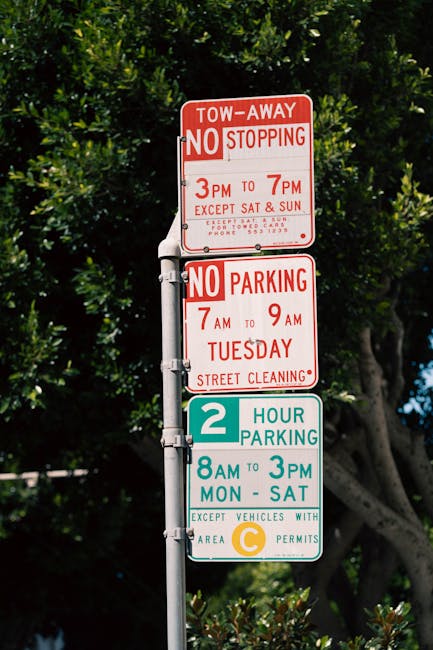
- Identify the parking type. Is it permit-only, shared, loading-only, or unrestricted at certain times? Read the signs carefully. They can be annoyingly specific.
- Confirm whether a permit or dispensation is needed. If the move requires formal permission, build that into the schedule early.
- Choose the right vehicle. A smaller van may fit into tighter spaces and reduce the risk of blocking access.
- Pack with loading in mind. Keep essential items accessible and group heavy items logically. That shortens the time the vehicle needs to remain parked.
- Prepare the access route. Clear hallways, hold lifts where possible, and keep doors open if safe and practical.
- Confirm the arrival window. If the parking slot is time-limited, the van should arrive inside that window, not after it.
- Have a backup plan. If the preferred space is taken, know the nearest alternative before moving day starts.
A useful little habit is to stand outside the property at the same time of day as the planned move. Morning traffic, school runs, and delivery vans can change the feel of a street completely. A road that looks fine at 2 p.m. can be a different beast at 8:30 a.m. Small observation, big difference.
If you want the packing side sorted as efficiently as the parking side, our package your items and wait for us to come guidance may fit nicely into your move plan.
Expert tips for better results
After plenty of real-world moving days, a few patterns become obvious. The smoothest jobs are usually the ones where the logistics were simple from the start.
1. Keep the load-out tight. Every extra minute on the street increases the chance of interruption. Pack and stage items so the team can move continuously.
2. Avoid unnecessary peak-time pressure. If you can move outside the busiest local traffic period, the street access issue gets easier. It is not always possible, but when it is, use it.
3. Match van size to access reality. A huge vehicle is not always the best vehicle. Sometimes a more compact van is the smarter choice on a narrow Redbridge road.
4. Protect the route inside and outside. Wet weather, loose gravel, and cluttered entrances all slow things down. A quick sweep helps more than people think.
5. Keep one person focused on parking and access. In busy moves, that person becomes the eyes on the street. They can spot problems before they snowball.
One more practical point: if you are moving furniture that needs careful handling, plan the loading order before the van arrives. Our page on furniture removals in Redbridge may help you think through that kind of move more clearly.
And yes, the team probably will cope if plans shift. But do you really want the whole morning to depend on improvisation? Probably not.
Common mistakes to avoid
This is where many moving days go sideways. The problems are often avoidable, but only if you think about them early enough.
- Leaving parking until the day before. That is the classic one. Streets do not become easier just because the calendar changed.
- Assuming a van can stop anywhere for a minute. In London, that assumption can be expensive.
- Ignoring nearby restrictions. Bus stops, corners, zigzags, and access points all matter.
- Forgetting that neighbours also need access. A move that blocks everyone else creates tension fast.
- Underestimating loading time. Especially if there are stairs, lift delays, or awkward items.
- Booking the wrong size vehicle. Too large can be just as problematic as too small.
Another easy-to-miss issue is access around flat blocks. The entrance might be fine, but the closest legal parking space could be a good distance away. That means more carrying, more fatigue, and more chances for something to get chipped. Our article on parking permit advice for Gants Hill removals is a helpful example of how local access planning can save a lot of hassle.
And here is a small but real-world warning: do not count on a last-minute convenient space magically appearing. It happens occasionally, sure. It also fails often enough to be a planning mistake.
Tools, resources and recommendations
You do not need a lot of fancy equipment to handle parking and removal logistics well, but a few basic tools make the process much easier.
- Phone camera. Take photos of signs, bay markings, and access points before moving day.
- Simple checklist. A paper list still beats a vague memory when you are tired.
- Measuring tape. Useful for checking whether large items and the vehicle access route are realistic.
- Labels and markers. Faster unloading means less time parked on the street.
- Protective covers. They reduce damage and slowdowns when carrying items through narrow routes.
From a planning standpoint, it also helps to keep the move lean. Decluttering before a move is one of those annoying tasks that pays off immediately. Less stuff means fewer trips, less parking pressure, and less time on the kerb. If that sounds appealing, our decluttering guide is a solid place to start.
For heavier or more awkward loads, you might also want guidance on lifting and handling. The article on heavy object lifting tactics is useful background, even if you plan to leave most of the heavy work to professionals.
Law, compliance, standards and best practice
This is the bit many people skip until they get caught out. Parking rules are not just "nice to follow"; they are the framework that keeps streets usable and safe. In practice, that means checking restrictions carefully, respecting loading zones, and making sure any permit or special arrangement is handled properly for the exact location and time.
Because local parking arrangements can change street by street, good practice is to treat the move as a logistics exercise, not a guess. If there is any uncertainty, verify the position in advance rather than hoping for the best. That is especially important for shared residential streets, permit-heavy areas, and locations with narrow carriageways.
Best practice also includes planning around safety. A vehicle should not be left in a position that blocks sightlines, footpaths, or access for other road users. The move crew should be able to work without creating avoidable risk for pedestrians, neighbours, or the property itself. If you are comparing service standards, our health and safety policy and insurance and safety information may be useful background reading.
It is also worth remembering that the quietest-looking street can still have strict rules. The signage is what counts, not the vibe. A very British lesson, really.
Options, methods, or comparison table
Different moving situations need different parking approaches. Here is a simple comparison to help you think through the trade-offs.
| Approach | Best for | Pros | Watch-outs |
|---|---|---|---|
| Street loading near the door | Short residential moves, flat moves, quick turnaround jobs | Fast, efficient, less carrying | Usually needs careful checking of restrictions and timing |
| Permit or reserved bay | Planned moves where access is busy or limited | More certainty, easier loading plan | Must match the permit conditions exactly |
| Smaller van with flexible parking | Narrow streets and tighter access | Easier to position, less likely to block access | May require more careful load planning |
| Longer carry from alternative space | Roads with limited stopping options | Sometimes unavoidable and still workable | Slower, more tiring, higher handling risk |
In practice, the best option is usually the one that balances legality, access, and speed. Speed alone is not the goal. Smooth, safe, and legal is the goal. If you are comparing service styles, the overview of removal services in Redbridge can help you see how the moving plan fits into the wider picture.
Case study or real-world example
Imagine a typical flat move in a busy part of Redbridge. The property is on a residential road with limited space, and the buyer wants everything moved out before early afternoon. At first glance, the team thinks the van can stop near the entrance. Then they arrive and find two cars already parked where the loading space should have been, plus a bin lorry lane to avoid. Classic. Not ideal, but also not rare.
Because the move was planned properly, there was a backup option. The crew used a slightly smaller vehicle, staged the boxes by category, and kept the route from flat to van as short as possible. The result was not dramatic or glamorous. Just efficient. Fewer walks, fewer pauses, less stress. The move still took effort, of course. It always does. But it did not become a parking disaster.
That is the point. The best parking plan is rarely about perfection. It is about reducing friction before the day starts. A couple of sensible decisions in advance can save the kind of morning where everyone gets a bit too warm under the collar.
If your move involves more than just a van, or you want a fuller managed service, the pages on man and van in Redbridge and house removals in Redbridge are useful starting points for understanding how the service level changes the moving experience.
Practical checklist
Use this checklist a few days before the move. It is simple, but it covers the stuff that usually matters.
- Confirm the exact moving address and access point.
- Read the street signs and note any loading or permit restrictions.
- Check whether the van can legally stop close enough to the entrance.
- Decide whether a permit or special parking arrangement is needed.
- Confirm the move time against any parking time limits.
- Measure large items if access looks tight.
- Keep boxes and fragile items grouped for quicker loading.
- Clear the entrance, hallway, and any shared stair space.
- Have a fallback parking option in mind.
- Make sure the driver or removals team knows the plan before arrival.
If you are still at the packing stage, our packing and boxes in Redbridge page and the guide on packing know-how for a successful transition may help you get organised without overthinking it.
Conclusion
Redbridge council removals permits and street parking rules may not be the most exciting part of moving, but they are one of the parts that most directly affects whether the day runs smoothly. Get the parking right, and the rest of the job feels easier. Miss it, and even a straightforward move can turn into a long, frustrating wait with boxes piling up on the pavement.
The best approach is simple: check the street properly, plan the vehicle positioning early, keep loading efficient, and build in a little flexibility. That is usually enough to avoid the common problems and keep your move moving, which is really what everyone wants. If you are preparing for a move in Redbridge and want the logistics handled with less stress, it is worth speaking with a team that understands local access and parking realities.
Get a free quote today and see how much you can save.
And if today feels a bit chaotic, that is normal. One careful plan at a time, and the whole thing gets lighter.
Frequently Asked Questions
Do I always need a permit for a removals van in Redbridge?
Not always. It depends on the street, the type of restriction, the time of day, and whether the vehicle can legally stop for loading. Some locations are more flexible than others, so always check the actual street conditions rather than assuming.
Can a removals van stop on double yellow lines?
Loading allowances can sometimes apply in limited situations, but that is not something to assume casually. You need to check the local restrictions and the exact circumstances. If there is any doubt, plan a legal parking option instead.
How far in advance should I sort out parking for moving day?
As early as you can. A few days ahead is much better than the day before, especially if the property is on a busy street or in a flat block. The earlier you check, the more options you usually have.
What happens if the parking space I planned is taken?
That is why a backup plan matters. You may need an alternative bay, a different side of the road, or a slightly smaller vehicle. Good movers plan for this possibility rather than hoping it will sort itself out.
Are flats harder than houses when it comes to parking?
Often, yes. Flats can bring shared entrances, limited bays, lifts, and longer carrying distances. Houses can still be tricky, but flats usually require more careful access planning.
Does van size make a difference to street parking rules?
Yes, it can. Larger vehicles need more room and may be harder to position legally and safely on narrow streets. Choosing the right van size can make a surprisingly big difference.
What if I am moving on a busy London road?
Then parking and timing become even more important. Busy roads often need more careful checking, tighter scheduling, and clearer communication with the removals team. There is usually less margin for error.
Can I use a man and van service for a short-notice move in Redbridge?
Yes, in many cases. Short-notice moves are common, but you still need to consider parking, access, and loading space. Same-day arrangements can work well when the route and stopping point are realistic.
What should I tell the removals team before moving day?
Tell them about any parking restrictions, narrow access, stairs, lift access, and anything else that could slow the move down. A clear picture upfront helps them plan the right vehicle and the right approach.
How do I reduce the time the van needs to stay parked?
Pack properly, stage boxes near the exit, label items clearly, and keep the walking route free. The less time spent searching, waiting, or reshuffling, the less time the van needs to sit on the street.
Is it better to choose a smaller van for tight Redbridge streets?
Often yes, if the access is limited. A smaller van can be easier to park and may reduce the chance of blocking traffic or overrunning a parking space. The trade-off is that it needs better load planning.
What is the biggest mistake people make with street parking on moving day?
Leaving it too late. People spend weeks organising boxes and furniture, then leave the parking plan until the final hour. That is usually where the avoidable stress begins.
Where can I get help with planning the move itself?
You can start with the service and planning pages on this site, including removals in Redbridge, man with van Redbridge, and contact us if you want to talk through the move in more detail.